


 Let’s face it: search is changing fast.
For years, we got comfortable with blue links and classic rankings. But now, AI-powered search tools can generate answers directly, and sometimes they recommend solutions faster than traditional search results ever could.
And here’s the big shift: visibility used to be mostly about ranking on page one for specific keywords. That’s still important, but it’s no longer the whole picture. Brands aren’t just competing in the SERPs anymore. They’re competing to be mentioned and recommended inside AI-generated answers.
Don’t worry. This isn’t the “SEO is dead” moment people love to dramatize. This is SEO evolving. Slowly but surely, we’re moving from a focus on rankings to a focus on recommendations.
That’s why one emerging approach is gaining traction: prompt research for AI SEO.
The idea is simple: understand the kinds of prompts people type into AI tools when they’re close to making a decision. Instead of only obsessing over keywords, we also pay attention to how users ask questions, describe their problems, and compare options when they’re talking to AI platforms like ChatGPT, Gemini, Perplexity, and similar tools.
In this guide, we’ll walk through the following:
- What prompt research is and why it matters for AI visibility
- How prompt research differs from traditional keyword research
- How AI systems interpret prompts and recommend brands
- A practical workflow you can follow to do prompt research for AI SEO
Once you understand how prompt research works, you’ll be in a better position to appear in AI-generated recommendations (like AI Overviews) when users are actively looking for solutions.
Author’s Note: This article connects directly to my AEO (Answer Engine Optimization) series. If you’re new to AEO, read my post on how AI is changing the way people search online. It lays the foundation for why we’re moving from “ranking for keywords” to “getting included in AI-generated answers,” and why prompt research is becoming a real advantage.
What is Prompt Research?
Prompt research is the process of identifying the types of questions people ask AI systems when they’re evaluating options or looking for recommendations.
If traditional SEO focuses on search queries, prompt research focuses on conversations with AI.
For example, a typical keyword someone might type into a search engine could be:
best seo agency in the philippines
But when interacting with an AI tool, the same user might ask something more conversational, like:
What’s the best SEO agency in the Philippines to work with to scale up my company?

That extra context matters.
Unlike short search queries, prompts often include details about the user’s goals, constraints, or specific problems. In many cases, that’s a signal that the user is closer to making a decision, not just casually browsing.
Prompt research helps you identify these questions so you can optimize your content to show up when AI systems start evaluating options and recommending solutions directly.
Because of this shift, many SEO pros now see prompt research as an important layer of developing AI search strategies. As conversational search continues to grow, understanding how people interact with AI systems becomes essential for maintaining visibility.
Why Prompt Research Matters Now
With over 56% of global search engine volume being driven by AI-driven search experiences, users are increasingly turning to platforms that can provide direct, summarized answers. This fuels “zero-click behavior,” where people get what they need without visiting multiple websites.
And because of this change, prompt research is becoming more important. Here’s why:
- AI-generated answers summarize multiple sources into a single response
- Users interact with AI conversationally rather than through short queries
- Detailed prompts often trigger AI systems to recommend specific options
When a user asks something purely informational, AI usually explains the topic.
But when a prompt includes constraints, preferences, and concerns, AI tools are far more likely to evaluate options and recommend particular products, services, or brands.
This is the heart of it: the goal isn’t just traffic anymore. The goal is to be part of the answers themselves.
Difference Between Prompt Research and Keyword Research
This shift doesn’t mean traditional SEO is obsolete. Keyword research is still foundational.
But prompt research expands that process to match how users behave inside AI environments.
SEO and AI now go hand in hand. Keywords often represent shorter fragments of topics, while prompts reveal why they’re searching and what decision they’re trying to make.
| Keyword Research | Prompt Research |
|---|---|
| Focuses on search queries | Focuses on conversational prompts |
| Short phrases or fragments | Natural language questions |
| Designed for SERP rankings | Designed for AI recommendations |
| Based on search volume | Based on decision context |
Keyword research remains valuable because it provides important language signals for users and search engines. It shows how people naturally talk about a topic, and it gives you a foundation for generating realistic prompts.
Prompt research was never meant to replace SEO.
Instead, it expands SEO as search evolves in AI-driven environments. Keywords identify the core topics people care about. Prompts reveal the context, intent, and decision scenarios behind those topics.
Simply put, prompt research can be seen as keyword research adapted for conversational AI.
How AI Systems Interpret Prompts
In the process of understanding prompt research, you’ll end up understanding how AI systems process prompts. Large Language Models (LLMs) or AI systems tend to typically follow 3 step by step process:
- AI breaks the prompt into smaller questions to understand it by subtopics;
- AI gathers and synthesizes information from multiple sources (not just one page);
- If the prompt signals a decision scenario, AI evaluates options and suggests solutions, often by comparing them.
Here’s the key insight: AI systems are more likely to recommend brands when prompts include specific constraints or concerns.
For example, users may mention:
- Timeline constraints, such as needing a solution within a specific deadline.
- Industry-specific needs, like tools or services designed for a particular sector.
- Location-based requirements, such as looking for providers in a specific country or city.
- Scalability needs, especially for growing businesses or expanding teams.
All of this signals to the AI that the user isn’t just looking for information, they are actively trying to evaluate options and make a decision. When this happens, AI systems are more likely to compare solutions and recommend the most relevant options.
Step-by-Step Process to Do Prompt Research for AI SEO
Now let’s get practical. Here’s a workflow you can actually follow when doing prompt research for your AI/AEO strategy.
Identify Your Target Audience and Personas
Traditional keyword research can be broad by nature.
Prompt research is different. It demands more precision because people phrase questions differently depending on their background, goals, and expertise.
This is basic marketing wisdom: you need to understand your audience before you can communicate effectively.
Each persona shapes prompt phrasing because different buyers carry different constraints, concerns, and priorities.
Consider various factors like:
- Are they newbies or experts on the subject matter?
- What’s the problem they want to solve or avoid?
- Do they ask questions in a casual or technical way?
- Are they looking for affordable solutions or premium options?
These details may seem small, but they can significantly change how a prompt is written and how AI systems interpret it.
Map Problems to Your Product or Service
You have to remember that AI will only recommend your brand more often than others, when a product clearly addresses the user’s concerns. In other words, your product or service should be explained in a way that addresses user concerns, questions, understanding features, and most of all help users.
When structuring content, you may also have to highlight the following:
- Features: What the product or service actually does
- Benefits: Why those features matter
- Use Cases: Scenarios when a product works best
- Problems Solved: The specific challenges they address
- Fit Factor: Why it’s a good match for certain users
Creating content that clearly answers these points makes it easier for AI systems to connect relevant prompts with the right solutions, increasing the likelihood that your brand will be included in AI-generated recommendations.
Use Keyword Research as Prompt Input
Keyword research still plays a role here.
The difference is: you don’t stop at keywords. You use them as raw material for conversational prompts.
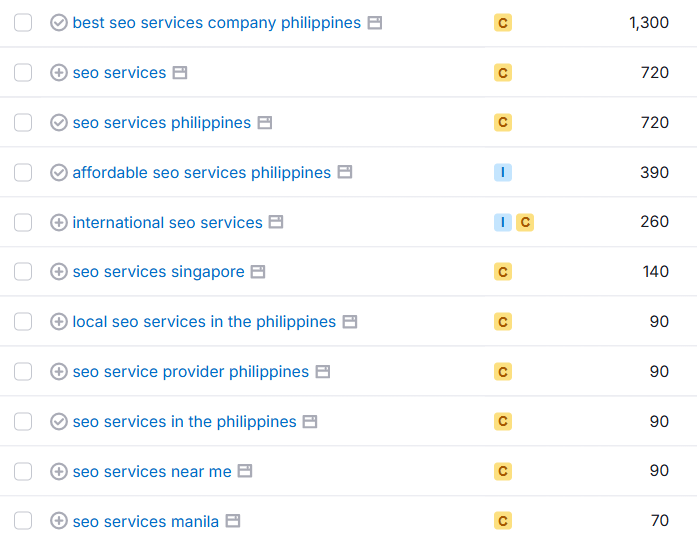
Here’s a sample workflow:
- Gather seed keywords related to your topic, product, or service.
- Identify the user intent behind them, whether users are trying to learn, compare options, or make a decision.
- Expand them into conversational questions, reflecting how someone might naturally ask an AI tool for help.
By transforming keywords into full prompts, you can better understand how users describe their problems, ask for recommendations, and evaluate possible solutions when interacting with AI platforms.
Generate Decision-Stage Prompts
As mentioned earlier, AI systems are more likely to recommend products, services, or brands when users are close to making a decision. At this stage, users typically ask more specific questions that help them evaluate different options.
This usually happens when users are:
- Making comparisons between products or services
- Asking “best for” questions based on their needs
- Looking for alternatives to an existing solution
- Asking budget-related questions or price considerations
This usually signals or indicates that the user is trying to evaluate options rather than learning about a topic.
Then when creating prompts for research, it helps to structure them around common decision-making signals. Consider the following elements:
- Persona – Who the buyer is and their situation
- Primary Risk – What the user wants to avoid or solve
- Constraints – Budget, requirements, limitations
- Language Cues – Phrases or wording that the user would normally use
When generating prompts for research, keep these best practices in mind:
- Avoid including brand names in the question to prevent biased results
- Ensure the prompt encourages a recommendation or comparison
- Avoid purely informational or educational phrasing
- Write prompts the way real users would ask them
Following these guidelines keeps prompts focused on decision-making scenarios, which are the situations where AI systems are most likely to evaluate options and recommend solutions.
Expand Prompts Using AI Tools
With new technology emerging yearly, it’s practically impossible not to ignore the role of AI tools. So rather than avoiding them, marketers should learn how to use these tools effectively. After all, AI tools can help scale prompt generation fast. It’s all about how you use it strategically.
When generating prompts, make sure you avoid making dozens of prompts that only differ slightly in wording. Instead, focus on aligning the context of the situation so the prompts reflect different real-world scenarios.
For example:
- The user’s role
- The problem they’re trying to solve
- Their budget or financial constraints
- Their industry or specific use case
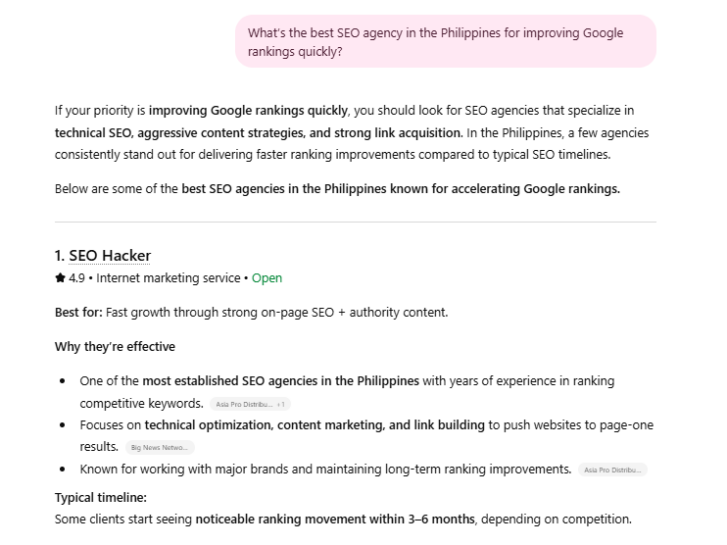
Example: Expanding the prompt “SEO agency in the Philippines” to reflect a specific problem the user is trying to solve.Adjusting these elements helps you generate prompts that will map different decision-making scenarios, not just different phrasings of the same question.
Track AI Visibility Over Time
Just as traditional SEO led to the development of keyword tracking tools like Semrush and SE Ranking, then you can be sure there’s going to be a new way to measure AI performance.
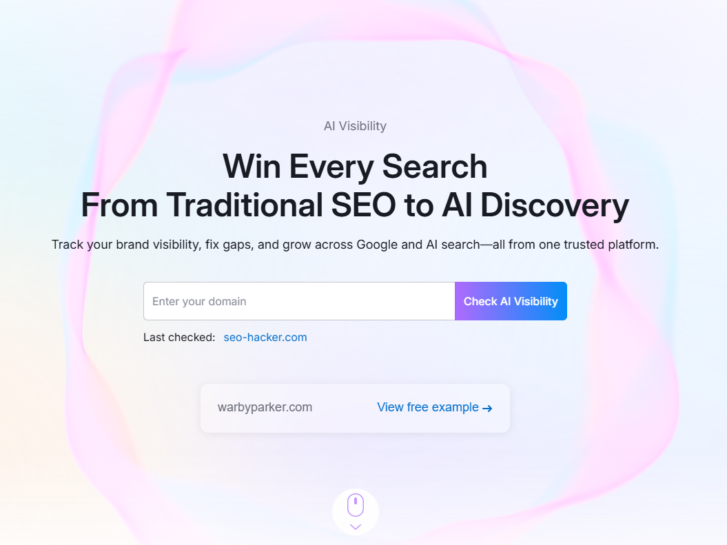
And now, instead of just tracking keyword rankings, you will increasingly need to monitor how often your brand appears in AI-generated recommendations and responses.
Some important metrics to track include:
- Brand mentions in AI-generated answers
- Recommendation frequency (how often your brand is suggested as a solution)
- Sentiment framing (how your brand is described by AI)
- Competitor visibility, including which brands are mentioned alongside yours
In many ways, prompt tracking becomes the AI equivalent of rank tracking, helping marketers understand how their brand appears within AI-driven search experiences.
Types of Prompts to Prioritize
Not all prompts are equal for AI SEO.
Some prompts produce informational answers. Others push AI to evaluate options and recommend brands.
So you need to know what to prioritize.
High-Value Prompt Categories
Focus on prompts that push AI systems to evaluate and compare options. These types often signal that the user is close to making a decision, increasing the likelihood that AI tools will recommend specific products, services, or brands.
Examples include:
- Comparison prompts
- “Best for” prompts
- Alternative prompts
- Problem-solution prompts
- Budget-constrained prompts
These situations typically indicate that the user is actively assessing different solutions, making them valuable opportunities for AI-generated recommendations.
Prompts to Avoid
On the other hand, there are some prompts that rarely trigger recommendations because they focus mainly on providing general information.
These include:
- Purely informational questions
- General definitions
- Broad educational queries
In these cases, AI systems usually focus on explaining concepts rather than suggesting specific solutions.
Key Takeaway
I’ve said it before and I’ll say it again: AI won’t replace SEO. Prompt research won’t replace traditional SEO either.
Instead, prompt research builds on keyword research and adapts it for AI-driven search behavior.
Keywords still help identify what users are interested in. But prompts reveal when users are ready to evaluate options and make a decision. That’s exactly what’s driving more zero-click behavior.
As AI continues to evolve, visibility will increasingly depend on whether your brand appears within the answers users receive, not just in the links they click.
The post AI SEO Prompt Research: Strategies That Actually Work appeared first on SEO Services Agency in Manila, Philippines.


